
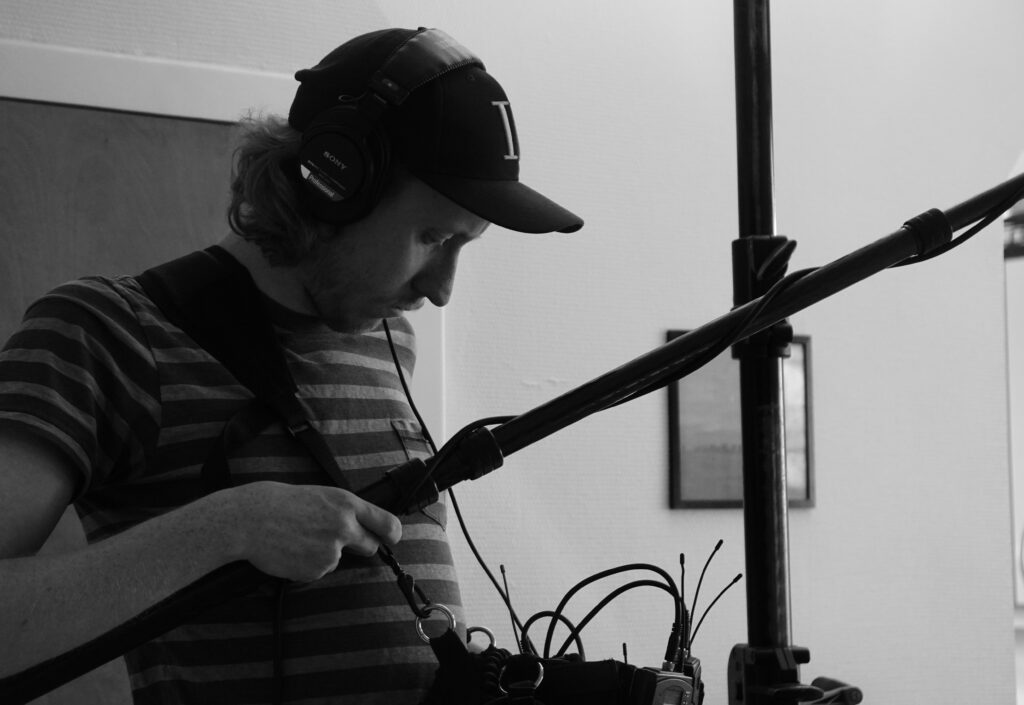
As a sound recordist, our most important tools are our sound recorders and microphones, mastering these tools gives us the cleanest dialogue, the most soothing soundscapes, and the highest quality foley recordings. We are the first step In high-quality sound design and a crucial part of creating a good-sounding film.
Recording Dialogue
Human speech has huge potential as an element of sound design. Dialogue includes not just words but also breaths, sighs, etc. It is the essence of how humans connect with each other, and it’s therefore absolutely important that we get good, clean dialogue recordings that capture everything from the loudest scream to the quietest cry. This is the art of recording clean dialogue for motion pictures.
Field recording
As a field recordist and sound designer, I explore our world through sound. My journey to explore and record has given me sounds like wild thunder, insects, owls in the night, and much more.
Nature can sound wicket and sometimes alien, but also be calming like a gentle ember-filled fireplace or the pitter-patter of rain falling on a car windscreen. Recording ambiance is a huge passion of mine. the world around us is filled with sounds, always changing and modulating with the world and ready to be discovered.
Recording wind
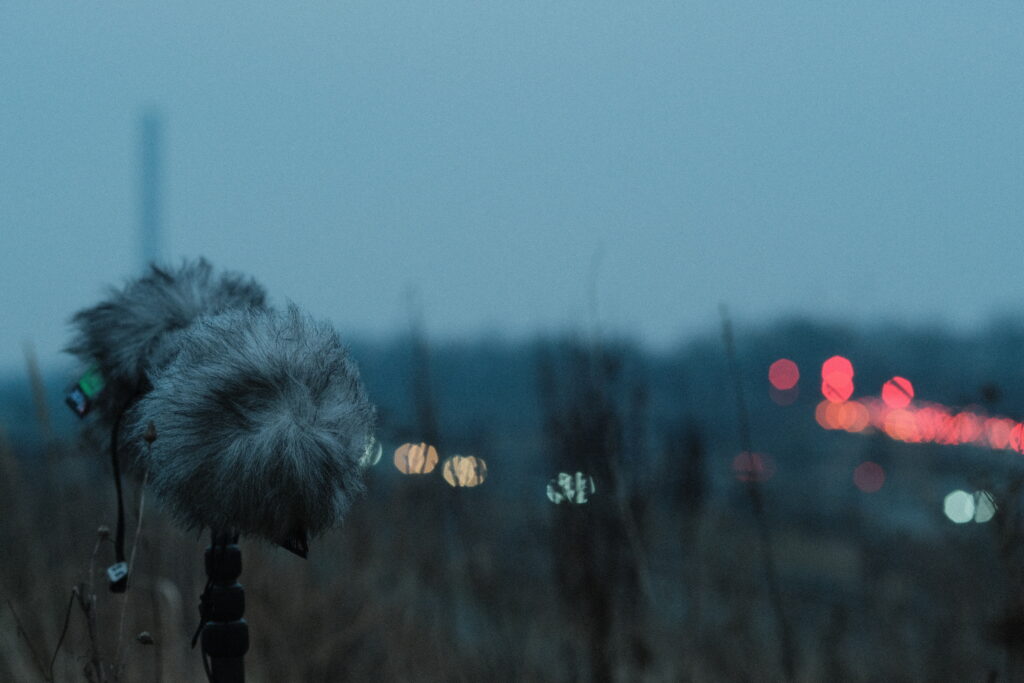
The wind is a tricky one to record, it’s normally something we try to avoid recording directly, using windjammers like the one above. The idea is to capture the wind’s interaction with objects like trees, canyons, pipes, cables…etc. which can be difficult near the sound pollution of civilization, but sometimes a faint whisp of wind is all that is needed to tell the entire story.
A large library of winds in all flavors is worth the time and effort of discovering them in nature.
Recording for sound design
Beyond ambiance, I also offer raw materials for sound design. Recording specific sounds as the building blocks for iconic and unheard sound design, creating the exact feel and atmosphere needed in a given story. Imagine the sounds of low-frequency rumble from a train heading your way, the guttural call of an animal slowed down and manipulated.
Creative sound recordings
Ultrasonic recordings
The “normal” hearing frequency range is between 20 Hz and 20,000 Hz. But a lot of objects and animals can produce sounds above 20,000 Hz. Normally we can never hear these sounds but with an ultrasonic-capable microphone, we can record sounds and slow them down, thereby lowering their pitch into our hearing range.
Reamping through different materials
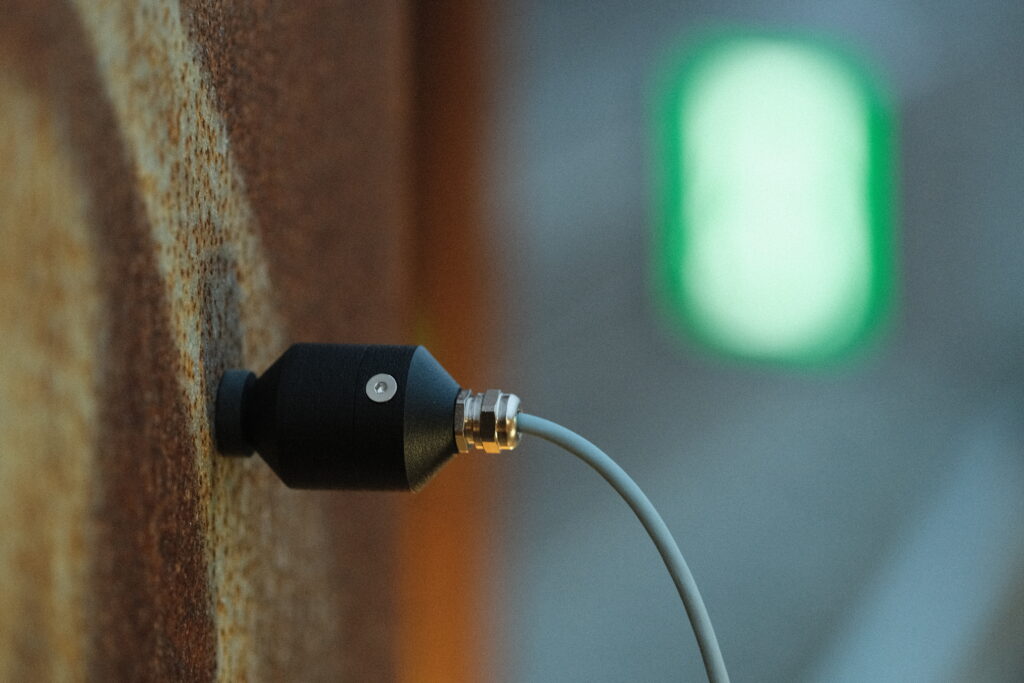
Using a transducer or other sound emitters we can play back sounds through materials with different densities. And because the speed of sound, is relative to the density of its medium, the sound will change after the fact. In the same way, that a simple spring reverb changes the sound, can we, with these techniques, radically change the original sound and create something new.
Electromagnetic recording
Electromagnetic fields (EMFs) are physical phenomena resulting from the interaction of electric charges, combining electric and magnetic components that propagate through space. With a magnetic antenna or other electromagnetic listening devices, can we observe and record these ambient electromagnetic fields. Below you can hear a few of my recordings made with a homemade antenna inspired by Lom’s Priezor.
Like what you hear?
Let’s work together on your next project.